


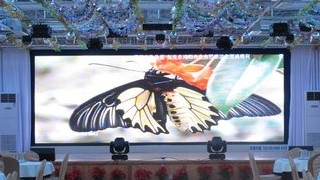


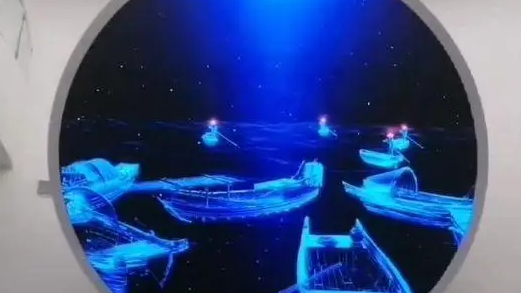
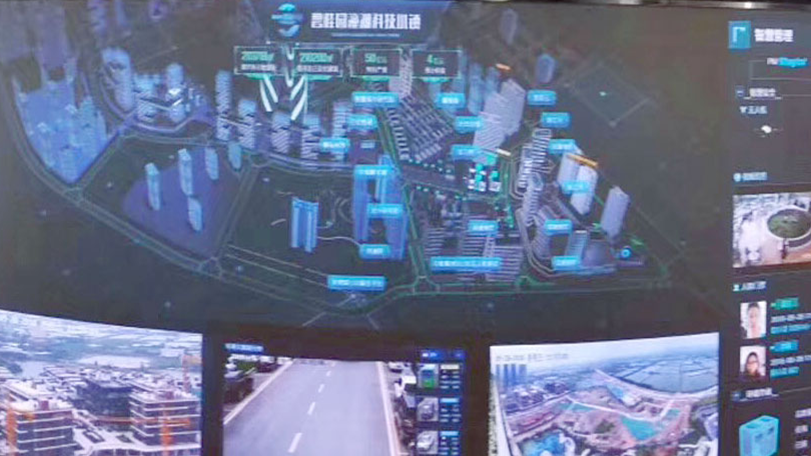
LCD splicing screen is a very popular tall display screen that can help us display information or messages. However, the environmental requirements of LCD splicing screens are higher than ordinary display screens, so we need to take some measures to prevent LCD splicing screens from getting damp.First of all, we should ensure that the storage environment of the LCD splicing screen is dry. We can place some desiccant where the LCD splicing screen is stored to ensure that there is no moisture in the environment.Secondly, we should ensure that the installation environment of the LCD splicing screen is dry. Before installing the LCD splicing screen, we should check the humidity of the installation environment and make sure it is within a safe range.In addition, we should ensure that the environment in which the LCD splicing screen is used is dry. When using LCD splicing screens, we should avoid using it in humid environments, such as near water sources or places with high humidity.Finally,
LED transparent displays are increasingly used in various industries and are favored by major merchants. Various problems inevitably accompany daily use. The editor will analyze the precautions for using LED transparent display for everyone, let's take a look!LED transparent display usage environment1. The working environment temperature range is -20℃≤t≤50℃, and the working environment humidity range is 10% to 90%RH;2. During the use of the display screen, avoid using or storing it in high temperature, high humidity, high acid/alkali/salt environments;3. Keep away from flammable items, gases and dust;4. When the ambient temperature is too high or the heat dissipation conditions are not good, please be careful not to use the LED transparent display for a long time; it may easily cause the circuit board inside the display to burn out.5. When an LED transparent display with a humidity exceeding the specified humidity is powered on, it will cause corrosion of components or even short circu
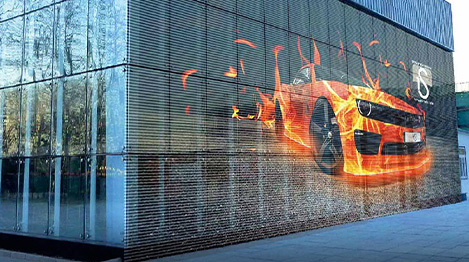
In recent years, with the expansion of the LED display industry market, many application fields have continued to expand, and LED display products have shown a diversified development trend. As a rising star in the LED display industry, LED transparent screens rely on their advantages of being light and thin, requiring no steel frame structure, easy installation and maintenance, and good permeability. It is used in other fields like a fish in water and comes into our field of vision with an eye-catching attitude.Then the editor will introduce to you the four major application scenarios of LED transparent screens, so as to create your own advertising space.1. Glass showcaseLED transparent screens are installed in store glass windows, so you can see the panoramic environment of the store at a glance. LED transparent screens have brought revolutionary changes to retailers, also in the fields of building facades, glass window decoration, interior decoration and other fields.2. Large shoppi
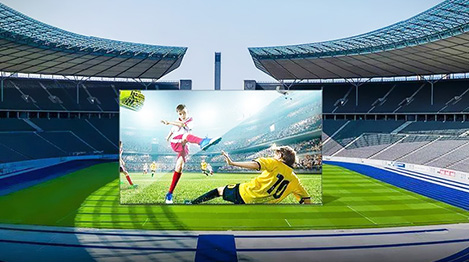
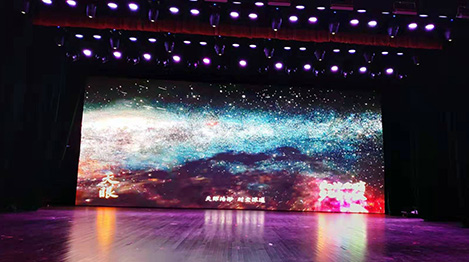
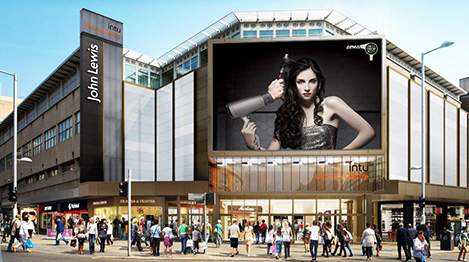
As a new subdivision of the LED display application market that has emerged in recent years, LED transparent screens have added new vitality to the diverse applications of LED displays. At present, LED transparent screens have been applied in the fields of glass curtain walls, stage dance beauty display, outdoor advertising, and new retail. From sports events to commercial real estate to road traffic, airports, subway platforms, etc., we can see its beauty. figure.After continuous development, LED transparent screen technology has gradually matured and is developing towards more and more specialized applications. At present, the industry has entered a stage of rapid development, and the industry scale and the number of enterprises have grown rapidly. It has become an important application field that cannot be ignored in the LED display application market. As a buyer or customer, you must know which LED transparent screen manufacturers are more reliable, so the editor will list the thre
LCD splicing screen is a very popular high-rise display screen, which can help us display information or messages. However, the environmental requirements of LCD splicing screens are higher than ordinary display screens, so we need to take some measures to prevent the LCD splicing screen from getting wet.First of all, we should make sure that the storage environment of the LCD splicing screen is dry. We can put some desiccant in the place where the LCD splicing screen is stored to ensure that there is no moisture in the environment.Secondly, we should ensure that the installation environment of the LCD splicing screen is dry. Before installing the LCD splicing screen, we should check the humidity of the installation environment and make sure it is within a safe range.In addition, we should ensure that the use environment of the LCD splicing screen is dry. When using an LCD splicing screen, we should avoid using it in a humid environment, such as near a water source or a place with high
High Dynamic Range (HDR) displays have become increasingly popular in recent years due to their ability to provide a more immersive and realistic viewing experience for video content. HDR displays use a combination of different luminance levels, or brightness values, to create a more vibrant and detailed picture compared to traditional SDR (Standard Dynamic Range) displays.One of the main advantages of HDR displays for video content is their ability to enhance the contrast and color accuracy of the image. This means that HDR displays can produce more accurate and natural-looking colors, making the video content appear more lifelike and engaging. Additionally, HDR displays can handle a wider range of luminance levels, which allows for better representation of dark scenes and highlights without sacrificing details in the shadows.Another benefit of HDR displays for video content is their ability to reduce motion blur and ghosting. With HDR, each individual frame is rendered with a higher
When it comes to choosing a display technology for your electronic device, there are two main options: OLED (Organic Light Emitting Diode) and LED (Light Emitting Diode). Both have their own advantages and disadvantages, and the choice between the two ultimately depends on your specific needs and preferences. In this article, we will compare and contrast these two display technologies to help you make an informed decision.OLED Display Technology:OLED displays are made up of organic light-emitting diodes that emit light when an electric current is passed through them. Unlike traditional LED displays, which use a backlight to illuminate the pixels, OLED displays self-illuminate, meaning that they can produce true blacks and precise color reproduction. This makes OLED displays ideal for applications where image quality and contrast are critical, such as high-end televisions and mobile devices.One of the main advantages of OLED displays is their energy efficiency. Since each pixel in an OL
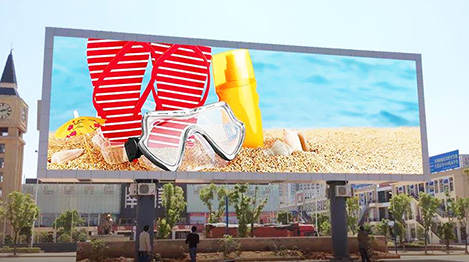
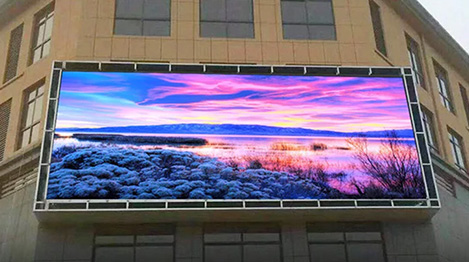
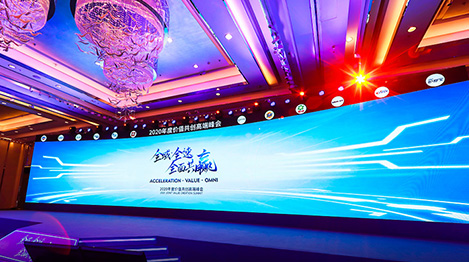
LED display technology is a revolutionary innovation in the field of visual display. This cutting-edge technology has transformed the way we see and interact with digital content, making it more vibrant, dynamic, and energy-efficient than ever before.At its core, LED display technology utilizes light-emitting diodes (LEDs) to create visual images. These LEDs are tiny electronic devices that emit light when an electrical current is applied. By using this technology, we can produce high-resolution displays with incredibly accurate color reproduction, deep blacks, and wide viewing angles.One of the key advantages of LED display technology is its energy efficiency. Unlike traditional fluorescent or LCD displays, which consume a significant amount of power to operate, LED displays use much less energy while producing similar image quality. This makes them an ideal choice for applications that require long hours of operation, such as outdoor billboards, digital signage, and public informatio
LED display is a very useful tool that helps us to display information or messages. However, sometimes the LED display will malfunction, which requires us to overhaul it. Here, we will introduce 6 common LED display maintenance methods.1. Check the wiring of the LED display: First, we need to check the wiring of the LED display to make sure they are connected correctly. We can use a multimeter to check the voltage of each wiring to make sure they are connected correctly.2.Check the power supply of the LED display: Second, we need to check the power supply of the LED display to make sure they are working properly. We can check the current and voltage of the power supplies to make sure they are working properly.3.Check the controllers of the LED display: Third, we need to check the controllers of the LED display to make sure they are working properly. We can check the wiring to the controllers to make sure they are connected correctly and check the current and voltage to the controllers












 CN
CN

 Home >


